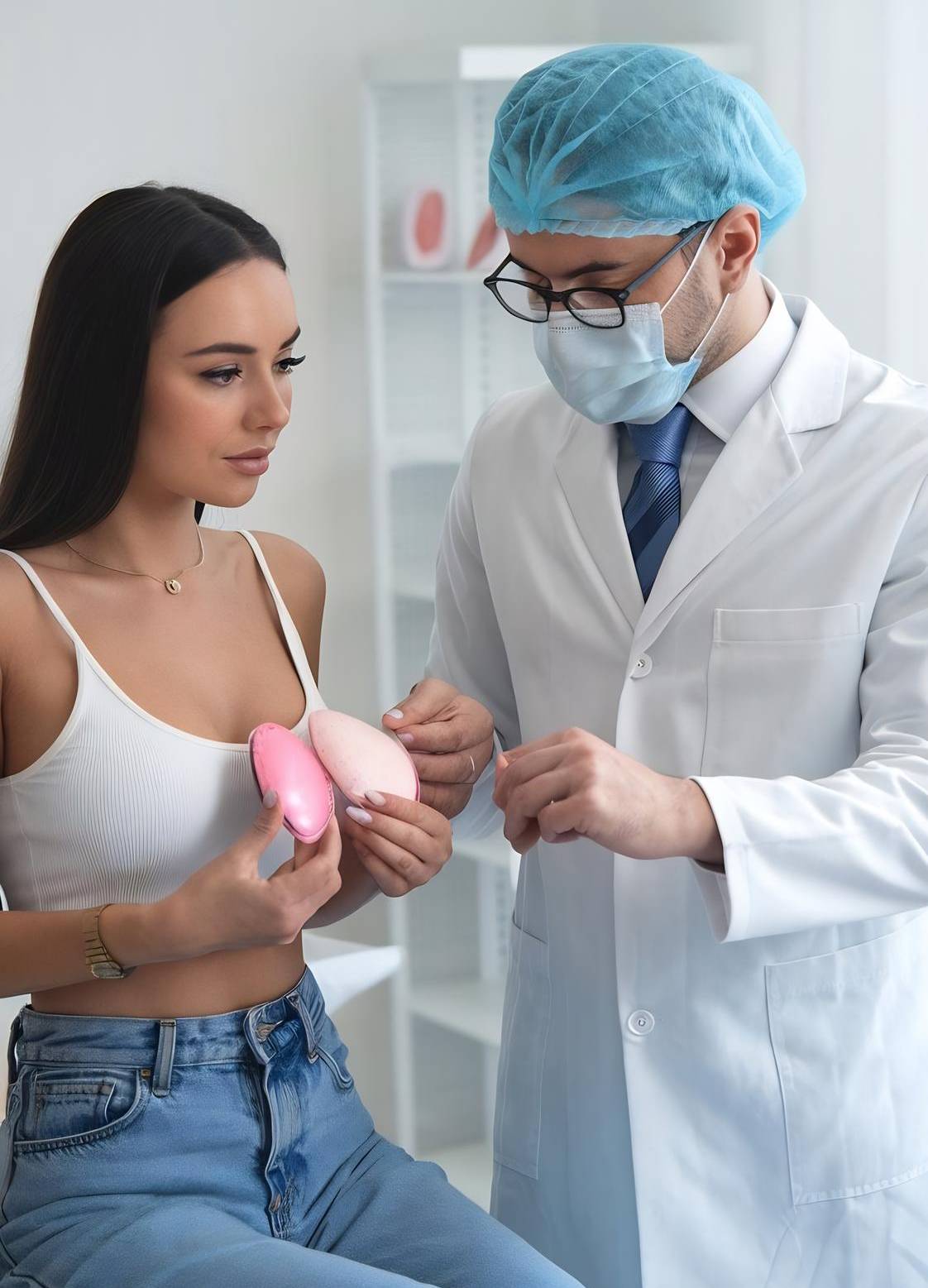
Breast Renewal
Breast reconstruction is a surgical procedure, or a series of procedures, designed to restore the appearance, shape, and, in some cases, sensation of a breast following a mastectomy or lumpectomy, often performed due to breast cancer. This process helps restore confidence and a sense of wholeness, offering options such as implants, autologous tissue transfer, or a combination of both to achieve natural-looking results.
Reconstruction can be performed immediately at the time of breast removal or delayed, depending on the patient’s needs and medical circumstances. The procedure often includes recreating the nipple and areola to achieve a complete, natural breast appearance.
Dr. Irfan Ishaq is an expert breast reconstruction surgeon, specializing in post-mastectomy, post-lumpectomy, and complex revision cases. He creates personalized treatment plans to achieve safe, natural, and aesthetically pleasing results.
What is Breast Reconstruction?
Breast reconstruction is a surgical procedure, or series of procedures, that restores the shape, appearance, and, in some cases, sensation of the breast after a mastectomy or lumpectomy, commonly performed due to breast cancer. Reconstruction can be performed immediately or delayed, depending on medical factors and personal preferences, and can involve implants, autologous tissue, or a combination of both.
Reconstruction Options
Implant-Based Reconstruction:
Tissue Expander: A two-stage process where a temporary expander gradually stretches the skin and muscle before placing a permanent implant.
Direct-to-Implant: A one-stage procedure where a permanent implant is placed immediately.
Autologous Tissue Reconstruction:
Fat Graft Reconstruction: Ideal for lumpectomy defects, asymmetry, or radiation-damaged breasts.
Flap Reconstruction – Pedicled: Techniques like the Latissimus Dorsi flap, TRAM flap, or Goldilocks method use local tissue for breast rebuilding.
Flap Reconstruction – Free: Tissue is transplanted from other body areas using microvascular surgery, including DIEP, PAP, or TUG flaps.
Nipple and Areola Reconstruction:
After rebuilding the breast mound, the nipple and areola are recreated to complete a natural appearance, sometimes enhanced with tattooing.
Procedure Overview
The approach depends on the patient’s goals, anatomy, and prior treatments:
Implant-Based: Involves either tissue expanders or direct implant placement.
Autologous Tissue: Uses tissue from the abdomen, back, or thighs to form a new breast.
Combination: Some patients benefit from both implants and autologous tissue for optimal shape and symmetry.
Recovery and Results
Recovery time varies depending on the method used. Swelling, bruising, and mild discomfort are common but improve gradually. The goal is to create breasts that closely resemble natural breasts in size, shape, and symmetry, enhancing confidence and quality of life after breast cancer surgery.
Risks and Considerations
As with any surgery, risks include infection, scarring, changes in nipple sensation, and anesthesia-related complications. The extent of scarring and recovery depends on the chosen reconstruction method.
Consultation with Dr. Irfan Ishaq
Women considering breast reconstruction should consult with Dr. Irfan Ishaq, a board-certified plastic surgeon with extensive expertise in complex breast reconstruction. He evaluates each patient individually, discusses available options, and creates a personalized plan to achieve safe, natural, and aesthetically pleasing results.
Book an Appointment