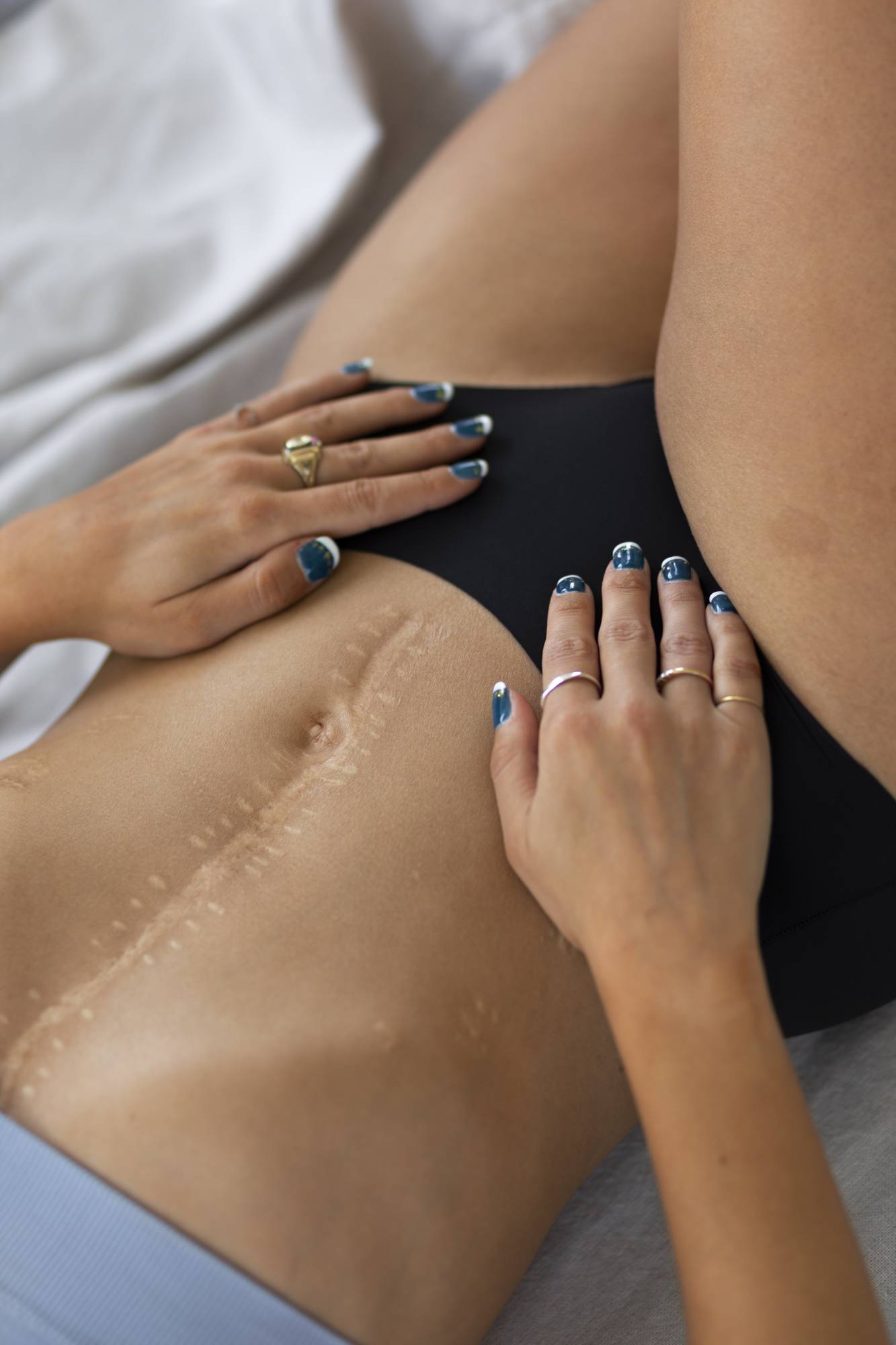
Scar Improvement Procedure
A hypertrophic scar is a raised and thickened type of scar that forms at the site of a wound, injury, or surgical incision. Unlike keloids, these scars stay within the boundaries of the original injury and do not grow outward. They often appear firm, elevated, and red or pink in color.
Hypertrophic scars develop due to excess collagen production during the healing process. Although they may improve naturally over time, many individuals seek treatment because of their noticeable appearance. These scars are generally not harmful but can be cosmetically concerning.
Treatment options include silicone gel, steroid injections, pressure dressings, laser therapy, and in some cases, surgical revision. The goal of these treatments is to flatten the scar, reduce discoloration, and improve overall skin texture. With proper management, the appearance of hypertrophic scars can be significantly improved.
A Hypertrophic Scar is a raised type of scar that develops at the site of an injury, surgical incision, or wound. Unlike keloids, hypertrophic scars do not extend beyond the boundaries of the original wound. They are thick, firm, and usually red or pink in color. Here’s more information about hypertrophic scars:
Characteristics:
Raised: The scar projects above the skin’s surface.
Thick and Firm: Hypertrophic scars often have a dense texture.
Red or Pink: They are typically red or pink in appearance.
Stay Within Injury Area: They do not grow beyond the original wound, unlike keloids.
Causes:
Hypertrophic scars are caused by an overproduction of collagen during the healing process. Common causes include:
Surgical Incisions: Post-surgical wounds may develop hypertrophic scars.
Injuries: Burns, cuts, abrasions, and other skin injuries can lead to these scars.
Acne: In some cases, healed acne lesions can leave hypertrophic scars.
Treatment:
Treatment depends on the scar’s severity and may include:
Silicone Gel or Sheets: Helps flatten and fade scars over time.
Steroid Injections: Reduce size and redness.
Pressure Dressings: Helps soften and flatten the scar.
Laser Therapy: Improves appearance and texture.
Surgical Revision: For severe scars, a surgeon may perform corrective surgery.
Prevention:
Proper wound care is essential to minimize hypertrophic scars. This includes keeping wounds clean, moisturized, and protected from the sun. Early use of silicone gels or sheets can also help reduce scarring. While these scars are mainly a cosmetic concern, consulting a dermatologist or plastic surgeon can provide effective treatment options based on individual needs.
Book an Appointment