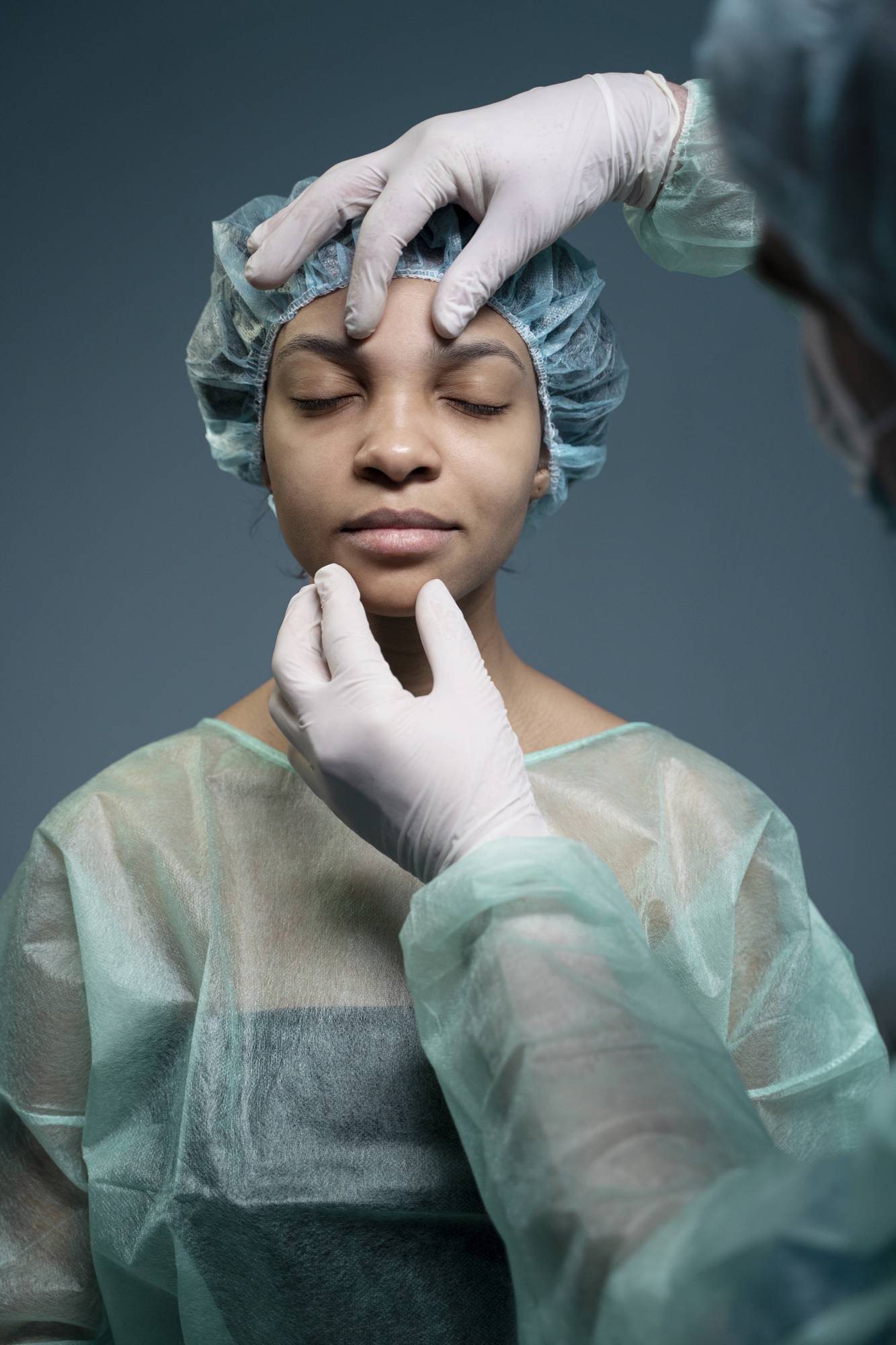
Immediate Mohs Reconstruction
Immediate Reconstruction After Mohs Surgery is performed right after the removal of skin cancer to repair the treated area. The primary goal is to restore both function and appearance, ensuring optimal cosmetic and medical results.
This procedure helps maintain the natural look of the skin while addressing any functional concerns caused by the surgery. Immediate reconstruction can involve various techniques depending on the size and location of the surgical site.
Patients benefit from a tailored approach that focuses on precision and effective healing, allowing for a smoother recovery and enhanced overall outcome.
How Immediate Reconstruction Works After Mohs Surgery
Consultation and Planning:
After a patient is diagnosed with skin cancer, the process begins with a consultation with a Mohs surgeon to plan the excision. If the patient wishes to have the wound reconstructed by a plastic surgeon, a separate consultation is arranged. The Mohs surgeon and plastic surgeon coordinate a date when both are available to perform the skin cancer removal and reconstruction on the same day.
Immediate Reconstruction Procedure:
On the day of surgery, the Mohs surgeon first removes the skin cancer. Once the excision is complete, the patient is transferred—usually with a protective dressing—to the plastic surgeon, who performs the reconstruction and closes the wound immediately. Because the reconstruction occurs on the same day as the Mohs procedure, this is called Immediate Reconstruction. If the wound is left open for several days before reconstruction, it is referred to as Delayed Reconstruction. Both methods are available depending on the patient’s situation and the complexity of the wound.
Surgical Options for Reconstruction:
Local Tissue Rearrangement: Nearby skin and tissue are carefully repositioned to close the wound while maintaining natural shape and contour.
Skin Grafting: Healthy skin from another part of the body is used to cover and heal the affected area.
Regional or Free Flaps: In more complex cases, larger sections of tissue—including blood vessels—are transferred to restore both form and function.
Recovery and Post-Procedure Care:
Recovery timelines vary depending on the type and extent of reconstruction. Mild to moderate swelling, bruising, and temporary discomfort are common during the initial days. Stitches are usually removed within the first week. Patients are provided with detailed aftercare instructions, and follow-up visits ensure proper healing. Results continue to refine over weeks to months, and in some cases, additional treatments such as scar management or laser therapy may be recommended to optimize the outcome.
Benefits of Immediate Reconstruction:
Immediate reconstruction offers both functional and cosmetic advantages. It helps restore natural facial or body contours, protects important anatomical structures, and promotes proper healing. Advanced techniques minimize scarring and create a more refined, natural appearance. Beyond physical improvements, patients often experience renewed confidence and emotional well-being.
Book an Appointment